Ifysweet
Introduction: Why Software Engineers Are the Backbone of Modern Innovation
Software engineers are essential to virtually every sector—from AI startups to fintech platforms and enterprise infrastructure. What makes this career so compelling? It combines creativity, logic, and technical skill. Whether you’re building AI applications, architecting full-stack systems, or automating workflows, software engineers shape how we live and work. This guide explores career paths, salaries, in‑demand skills, and emerging trends that are fueling demand for software engineers in 2025 and beyond.
Career Paths and Specializations for Software Engineers
When people talk about software engineers, they’re referring to varied yet interconnected roles. These include:
AI Engineers & Machine Learning Specialists
AI engineers design and deploy machine learning models to solve real‑world problems—think recommendation systems, natural language processing, or computer vision. Their work often involves Python, TensorFlow, or PyTorch, and cloud platforms like AWS SageMaker. AI engineers are in high demand, with average salaries often exceeding six figures in major tech hubs.
Full‑Stack Developers
Full‑stack software engineers handle both front‑end and back‑end components of a web application. They might build a React or Vue interface, connect it to a Node.js or Django API, and design database schemas on MongoDB or PostgreSQL. Full-stack work demands both breadth and adaptability, and roles are widely available across startups, agencies, and corporations.
Front‑End and Back‑End Engineers
Some developers choose to specialize. Front‑end engineers focus on user interfaces, UX, and client-side performance—typically working with HTML5, CSS3, JavaScript, and frameworks like React, Angular, or Svelte. Back‑end engineers design data logic, API endpoints, and server-side infrastructure, often using Java or C#, Go, Ruby, or Python.
DevOps Engineers & SREs
DevOps and Site Reliability Engineers (SREs) blend engineering and operations. They build CI/CD pipelines, container orchestration (Kubernetes, Docker), and cloud infrastructure (AWS, GCP, Azure). This specialization focuses on scalability, automation, and reliability, which is critical for high-availability systems.
Mobile Developers
Software engineers in mobile build apps using native languages like Swift (iOS), Kotlin/Java (Android), or cross-platform frameworks like React Native or Flutter. Mobile roles balance UI/UX design with platform-specific hardware integration and performance optimization.
Core Skill Pillars for Software Engineers
High-performing software engineers consistently master three pillars:
Technical Proficiency
This includes strong programming fundamentals (data structures, algorithms), proficiency in at least one language (e.g. Python, JavaScript, Java), and frameworks or tools relevant to their specialization, like NLP libraries for AI engineers, or React/Django for full-stack.
Systems Thinking & Architecture
Software engineers need to design systems that scale. This means understanding microservices, database design, RESTful APIs, scalability, and basic DevOps practices—even if you’re not in an SRE role.
Soft Skills & Collaboration
Stronger engineers communicate, write clean documentation, conduct code reviews, and collaborate with designers, product managers, and QA engineers. Leadership qualities and ownership mentality are often what differentiate mid-level from senior roles.
The Role of Software Engineers in Teams and Organizations
Software engineers are often embedded within agile or Kanban teams. Labels like “AI engineer” or “full-stack developer” guide hiring, but execution involves cross-functional teamwork. Engineers collaborate with product managers, QA specialists, data scientists, and designers to iterate, ship, and maintain features. The ability to pair program, diagnose bugs, and mentor junior members is increasingly valuable.
Compensation Trends and Demand Landscape for Software Engineers
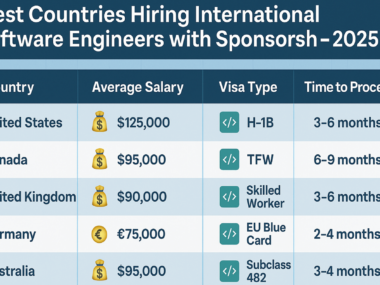
Salaries for software engineers vary by region and specialization. AI engineers and full-stack developers in top markets like San Francisco, London, or Dubai often command base salaries between $100K–$170K (USD), with total compensation (equity, bonuses) much higher. DevOps and backend specialists are also highly compensated. Demand remains strong across industry verticals—especially fintech, healthtech, and e-commerce—ensuring software engineers remain among the most hireable talent globally.
Healthy Career Trajectories for Software Engineers
Entry Level (0–2 years)
Starts with internships or junior roles. Developers learn version control, testing, and basic debugging. Pair programming and mentorship help build foundations.
Mid-Level (2–5 years)
Engineers own features, mentor interns, and contribute to architecture discussions. They’re expected to write scalable code and collaborate independently.
Senior or Principal (5+ years)
Senior engineers and tech leads drive technical decisions, conduct system design, and mentor teams. They may transition into engineering management or system architecture roles.
Specialized & Leadership Roles
Some engineers evolve into roles like AI Research Engineer, Solutions Architect, or Engineering Manager—effectively driving both technology and strategy.
Remote Work and Global Hiring Trends
Remote roles have expanded opportunities for software engineers globally. While some employers are location-specific (due to legal or timezone constraints), many startups and enterprise firms hire remote developers in multiple countries, especially for AI, full-stack, or DevOps roles. Remote engineers may earn globally competitive rates, often benchmarked to U.S. salaries or regional cost-of-living adjustments.
Emerging Specializations and Future Trends
AI and Generative Models
Engineers building LLM-based assistants, computer vision pipelines, or algorithmic automation are in high demand.
Edge Computing & IoT
Systems like smart sensors or distributed architecture require embedded software engineers skilled in low-latency computing.
Security-DevOps Convergence (DevSecOps)
Security within CI/CD practice is growing rapidly, meaning engineers with certified security knowledge (e.g., CISSP, AWS Security) hold an edge.
Quantum and Blockchain Services
While niche today, engineers familiar with quantum simulation frameworks or decentralized protocols (Ethereum, Solana) may find an early opportunity.
Education Pathways and Certification for Software Engineers
Successful software engineers often follow diverse learning paths:
- Formal degrees in computer science or engineering
- Coding bootcamps focusing on full-stack, data science, or mobile
- Self-taught portfolios shared via GitHub
- Professional certifications (AWS, Google Cloud, Microsoft Azure, AI/ML certificates)
Career progression is based more on portfolio and pragmatic skills than certificates alone. Consistent contributions to open-source projects or noteworthy side projects matter.
Career Roadmap for Aspiring Software Engineers
Whether you’re self-taught, bootcamp-trained, or coming from a traditional CS degree, the journey for software engineers follows a flexible yet proven path:
Start by mastering core programming concepts and a foundational language like Python or JavaScript. Build beginner projects (e.g., to-do apps, calculators, REST APIs) and learn how to use Git. As confidence builds, transition into frameworks like React, Node.js, or Django and incorporate system design, database architecture, and testing. By the mid-career level, aim to contribute to open-source or lead small teams, then specialize in areas like AI, cloud infrastructure, or enterprise systems, depending on your strengths and interests.
Frequently Asked Questions (FAQs)
Q: Are software engineers and programmers the same?
Programmers write and debug code, while software engineers design entire systems, data flows, and architecture in addition to coding.
Q: Should I learn AI, full‑stack, or DevOps?
Choose based on passion and market demand. Full-stack offers flexibility; AI is specialization; DevOps focuses on scalability and automation.
Q: How do I build a portfolio as a software engineer?
Contribute to open-source, build GitHub projects (like a blog, API server, AI model), write technical blogs, and optimize your online presence with projects that demonstrate scope and execution.
Q: Is a computer science degree required to be a software engineer?
Not always. Many self-taught engineers and bootcamp graduates excel. What matters most is problem-solving ability, technical depth, and real-world application.
Q: Can software engineers switch specializations easily?
With foundational skills, yes. Many start as full-stack and specialize later in AI, mobile, backend, or DevOps. Continuous learning makes transitions feasible.


 Ifysweet