Ifysweet
Job candidates seeking visa sponsorship in 2025 face an evolving landscape—one shaped by post‑pandemic norms, talent shortages, and global competition. Whether you’re just starting your career or exploring international opportunities, understanding which companies sponsor visas—and what they look for—can transform your job search. This guide dives into the top 10 companies offering visa sponsorship for job candidates in 2025, unpacks what candidates need to know, and provides expert advice for both applicants and recruiters.
Understanding what Job Candidates need today
Modern job candidates expect transparency, fairness, and a streamlined process. They ask: What roles do sponsors hire? What visa types are supported? How is relocation handled? Employers that clarify sponsorship policies and provide immigration support stand out in a crowded market.
For candidates, success begins with clarity. You’ll need to tailor resumes and cover letters to highlight transferable skills, certifications, or international experience that align with H‑1B, L‑1, O‑1, or EB‑2/3 categories. Demonstrating adaptability to remote or hybrid models, willingness to relocate, and commitment to employer values are now key differentiators.
Top 10 Companies Offering Visa Sponsorship for Job Candidates in 2025
Each of the following companies has a history of sponsoring visas and offers attractive environments for international talent. Below, we explore what they’re looking for—and what sets them apart for job candidates.
1. Google (Alphabet Inc.)
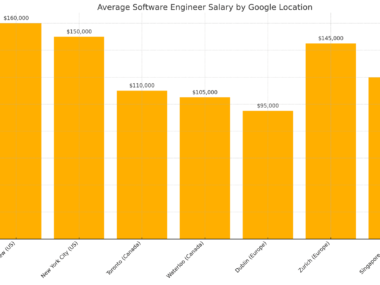
A powerhouse in tech sponsorship, Google continues to sponsor thousands of H‑1B candidates annually. Job candidates in software engineering, data science, cloud computing, and AI are top hires. Google supports relocation, legal assistance, and a clear path to permanent residency through EB‑2/EB‑3 green card filing. Their inclusive culture and drive for innovation make them highly attractive to international professionals.
2. Amazon
From AWS cloud roles to logistics and machine learning positions, Amazon remains a consistent sponsor of H‑1B and L‑1 visas. They offer relocation packages and frequent updates throughout the process. As one of the largest employers globally, Amazon’s scale gives job candidates access to cross‑border opportunities and internal mobility.
3. Microsoft
Microsoft frequently sponsors job candidates across software development, cybersecurity, AI, and enterprise services. The company supports visa holders through internal immigration guidance and inclusive support programs. Microsoft also offers long‑term growth paths and remote flexibility for visa-backed talent.
4. JPMorgan Chase
As a global financial institution, JPMorgan sponsors international candidates with STEM degrees, often for roles in risk analytics, quantitative research, and finance. They support H‑1B to green card transitions and frequently hire international students. Their structured onboarding for sponsored employees helps ensure cultural alignment.
5. Tesla
Tesla increasingly sponsors H‑1B and O‑1 visas for engineering, manufacturing, software, and data roles. Job candidates cite Tesla’s fast-paced, high-impact environment and willingness to push boundaries. Visa sponsorship comes with relocation support, but candidates should prepare for a demanding, high-performance culture.
6. Deloitte
In professional services, firms like Deloitte sponsor job candidates for roles in consulting, risk, and technology. They often sponsor H‑1B visas and support green card processing, especially for consultants with international education or bilingual English skills paired with global mobility. Deloitte’s global network benefits candidates looking for diverse client experience.
7. Mayo Clinic (Healthcare Sector)
For job candidates in healthcare—including registered nurses, physical therapists, and medical technologists—Mayo Clinic sponsors J‑1 or H‑1B visas, depending on role. Their sponsorship includes licensure support and relocation assistance. Healthcare candidates with U.S. or international credentials who are willing to work in underserved areas are particularly in demand.
8. Apple
Apple sponsors job candidates in hardware engineering, software development, design, and AI. They provide comprehensive internship-to‑hire pipelines, support for H‑1B and O‑1 applications, and internal mentoring programs. Apple’s emphasis on diversity and innovation matches candidates eager to work on global technology platforms.
9. Accenture
As a global consultancy and IT services provider, Accenture sponsors international candidates across tech delivery, strategy, and digital transformation roles. With clients across industries, Accenture supports H‑1B sponsorship and provides training and career progression opportunities for international hires.
10. Siemens
In engineering, healthcare tech, and industrial automation, Siemens sponsors job candidates for roles that often require specific degrees (e.g., ME, EE). They offer visa support, relocation, and opportunities for long‑term employment. Candidates with multicultural experience and technical proficiency tend to thrive here.
How to Prepare as Job Candidates for Visa Sponsored Roles
First, identify roles clearly marked “visa sponsorship available” on company career pages or trusted boards like MyVisaJobs and H1Bdata.info. Pay attention to job descriptions referencing H‑1B, J‑1, or EB visas.
Resumes should be customized to highlight experiences that match job requirements, particularly certifications, tech stacks, or domain knowledge (e.g., cloud, finance, advanced manufacturing). Job candidates should craft cover letters that align with company mission statements, noting international experience or cross-cultural adaptability.
Practice preparing for interviews and tasks. Many employers now require coding interviews or case-based assessments. Job candidates should prepare for live video or AI‑driven interviews, ensuring proper framing, lighting, and concise storytelling. Provide examples of collaboration across time zones or distributed teams to resonate with global employers.
Understanding Visa Sponsorship Types for Job Candidates
Different roles qualify for different visa categories:
- H‑1B (Specialty Occupations): For STEM, finance, engineering, and tech. Requires a degree or equivalent. Cap-subject unless the employer is cap-exempt.
- L‑1 (Intracompany Transfer): For employees transferring within multinational companies.
- O‑1 (Extraordinary Ability): For those with established expertise, especially in scientific, artistic, or business roles.
- EB‑2/EB‑3 Green Cards: Many sponsoring employers support long‑term employment via direct green card sponsorship.
Job candidates should understand which visa context they fall into and prepare accordingly—L‑1 candidates need to demonstrate internal experience; H‑1B candidates require a qualifying job and employer sponsorship.
Enhancing Candidate Experience for Sponsored Applicants
Candidate experience is even more critical when sponsorship is involved. Job candidates expect communication up-front: How long the visa process takes, what support is offered, and whether relocation or family sponsorship is included. Employers who provide clear timelines and onboarding support differentiate themselves.
For job candidates, politely requesting clarification (timing, relocation) early in the process—and connecting with current or former visa-sponsored employees via LinkedIn—can help manage expectations.
Long-Term Strategy: Job Candidates as Career Partners
Top employers view job candidates not as short-term hires, but as future leaders. Job candidates who demonstrate a willingness to upskill, cross-train, or relocate gain long-term visibility. Companies like Deloitte or Siemens often sponsor educational or rotational programs, giving international hires exposure across functions.
Job candidates should clarify their interest in future roles, mentoring, and internal mobility during early conversations. This signals a commitment to growth and increases long-term retention prospects.
FAQs for Job Candidates Seeking Visa Sponsorship
Q: What is the best time to start applying for visa sponsor jobs?
Aim to apply 6–8 months ahead of the start date, especially for H‑1B cap‑subject roles. Early application increases chances before limits fill up and helps accommodate immigration processing.
Q: Will employers pay for my visa application?
Yes—most sponsoring companies cover legal costs, filing fees, and often provide relocation or temporary housing support. Clarify this early in the process.
Q: Can a job candidate change visa category later?
Yes. For instance, an H‑1B employee can pursue an EB‑2 or EB‑3 green card with employer sponsorship. Some start under J‑1 or O‑1 and later change as their career progresses.
Q: Do all companies listed hire from all countries?
Not always. Some sponsoring companies prefer candidates from specific regions or universities due to internal quotas or recruitment partnerships. Target your region-relevant postings where possible.
Q: How can job candidates improve their sponsorship chances?
Pursue relevant certifications (e.g., AWS, Data Science, PMP), build project portfolios, and engage in open source or public contributions. Highlight global collaboration, language skills, or cross‑cultural experience.
Conclusion: What Job Candidates Need in 2025
For job candidates eyeing visa sponsorship in 2025, success requires clarity, preparation, and alignment. Target companies like Google, Amazon, or JPMorgan that regularly sponsor visas. Fine-tune your professional profile with measurable achievements and global experience. Prepare for modern screening—including AI-assisted interviews and take‑home tasks. Demand transparency, and position yourself as a long‑term partner to potential employers.
By combining strategy with adaptability, job candidates can navigate visa sponsorship pathways and build global careers that last.

 Ifysweet