 Ifysweet
Canada remains one of the world’s most immigration-friendly countries, and family unity is a central value in its immigration system. If you’re already working or studying in Canada and want your spouse to join you and work legally, applying for a work permit for your spouse in Canada is the pathway. In 2025, the Canadian government will continue to support spousal reunification with programs that allow spouses of temporary foreign workers and international students to work while living together in Canada.
This guide explains everything you need to know about obtaining a spousal open work permit in Canada, including eligibility, application steps, required documents, processing times, and what to expect after approval.
What is a Work Permit for a Spouse in Canada?
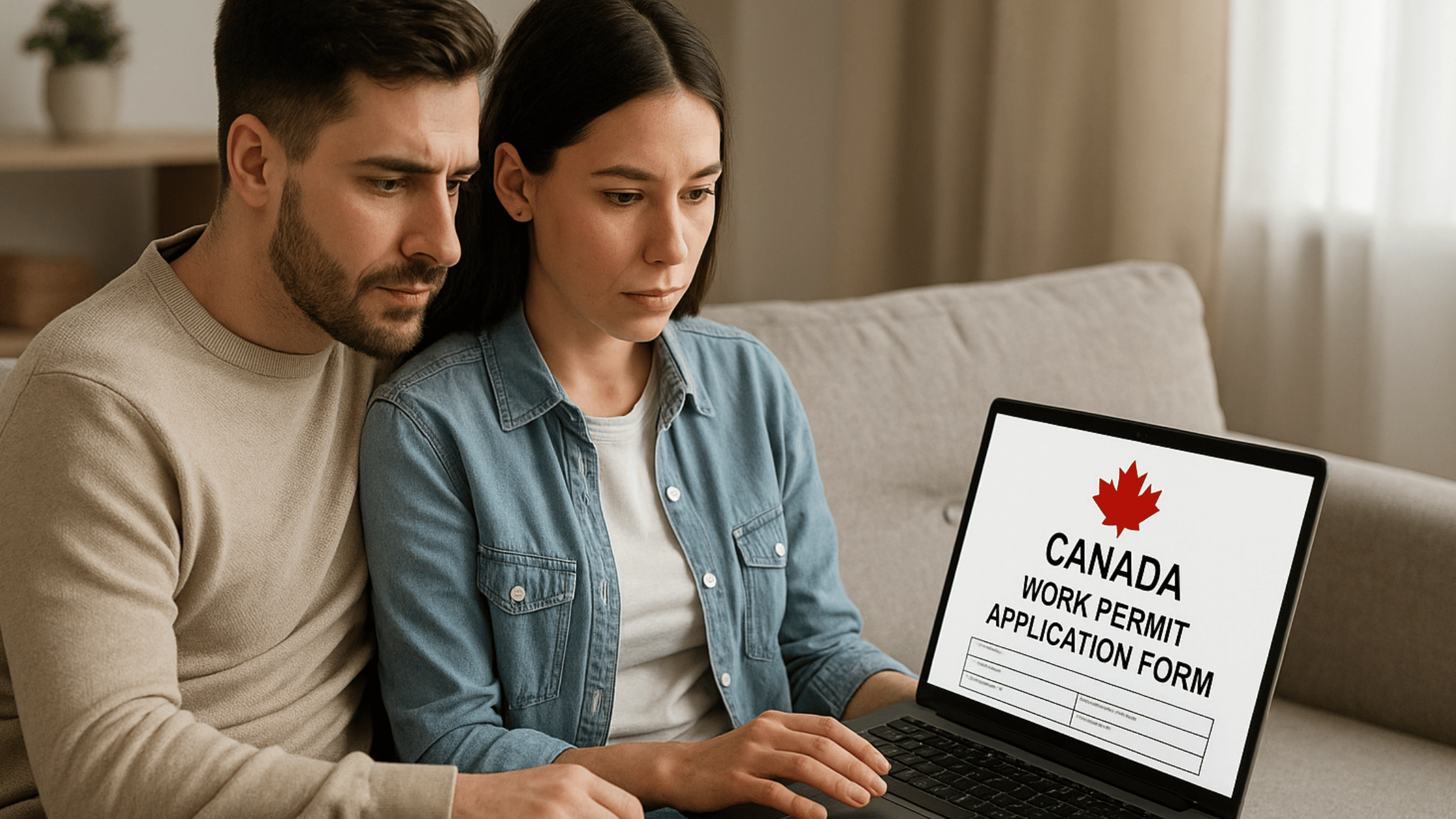
A work permit for spouse Canada—officially known as a Spousal Open Work Permit (SOWP)—allows the spouse or common-law partner of a temporary foreign worker or international student to work legally in Canada. Unlike job-specific permits, this is an open work permit, meaning your spouse can work for any employer in almost any job, without needing a prior job offer.
The key advantage is flexibility. Your spouse can contribute to household income, gain Canadian work experience, and, if desired, build a path toward permanent residency. This vital program helps couples stay together while both individuals build their future in Canada.
Who Can Apply for a Work Permit for Spouse Canada?
Not everyone is eligible. To sponsor your spouse for a Canadian work permit, you must meet one of the following conditions:
- You are a skilled foreign worker with a valid work permit under a National Occupation Classification (NOC) TEER 0, 1, 2, or 3 position.
- You are an international student enrolled in a full-time post-secondary program at a Designated Learning Institution (DLI).
- You are sponsoring your spouse under the inland spousal sponsorship stream and applying for an open work permit while the permanent residency application is in process.
In all cases, your relationship must be legally recognized—either through marriage or as common-law partners (living together for at least 12 consecutive months).
Step-by-Step Process: How to Apply for a Spouse Work Permit in Canada
1. Gather Required Documents
Before applying, ensure that you and your spouse have the necessary documentation:
- Copy of your valid work or study permit
- Proof of relationship (marriage certificate or common-law declaration)
- Your job offer letter and recent pay stubs (if applicable)
- Letter from your educational institution (for international students)
- Completed application forms (IMM 5710 or IMM 1295, depending on status)
Documentation accuracy is crucial. Errors or missing information can delay processing or result in refusal.
2. Submit the Application Online
Applications are typically submitted through the Immigration, Refugees and Citizenship Canada IRCC website. The applicant must create an online account and upload all required documents. Biometric information may be required depending on your spouse’s country of citizenship.
3. Pay Government Fees
The standard fees are:
- Open Work Permit Fee: $100
- Work Permit Processing Fee: $155
- Biometrics (if required): $85
Ensure you keep all payment receipts as proof during the application process.
4. Wait for Processing and Decision
Processing times vary based on the country of application and whether biometrics are needed. As of 2025, most spousal open work permits are processed within 2 to 5 months. Delays may occur if additional documents are requested.
Benefits of a Spousal Open Work Permit in Canada
Applying for a work permit for a spouse in Canada offers significant benefits for both partners:
- Legal Employment: Your spouse can work full-time for any employer in Canada.
- No LMIA Required: Unlike most foreign worker applications, no Labour Market Impact Assessment (LMIA) is needed.
- Support Permanent Residency: Canadian work experience may help with future PR applications under the Canadian Experience Class or other immigration streams.
- Family Stability: Being able to live and work together strengthens emotional and financial stability.
Real-World Example: How Couples Benefit
Consider this scenario:
Lina, a Filipino nurse, received a work permit to work in Ontario. Her husband, Mark, applied for a spousal open work permit and began working at a logistics company while studying part-time online. Together, they built Canadian experience and eventually applied for permanent residency under the Express Entry system.
Their story reflects how thousands of families use the work permit for spouse Canada route to stay together and build successful lives.
Common Questions About Spouse Work Permits in Canada
Can my spouse apply from outside Canada?
Yes. Spousal work permit applications can be submitted from outside or inside Canada. Processing times may vary depending on the country.
Can my spouse study while working?
Spouses on an open work permit can study part-time but must apply for a study permit to enroll full-time.
Can the permit be extended?
Yes. The work permit can be extended as long as the primary worker or student remains eligible and holds a valid status.
Conclusion: Start the Process to Bring Your Spouse Closer
Bringing your partner to Canada is not only emotionally fulfilling—it can also be legally and economically beneficial. The process to obtain a work permit for spouse Canada is structured to support families who want to stay together while contributing to the Canadian economy.
With the right documentation, a clear application strategy, and an understanding of eligibility rules, your spouse can live, work, and thrive in Canada alongside you.
Need help with the application process? Check out our full step-by-step checklist [insert internal link].
Subscribe now for updates on visa processing times, policy changes, and expert tips on immigration.

 Ifysweet
2 comments