 Ifysweet
For millions of Nigerians living on modest monthly incomes, access to credit is more than a convenience—it’s a necessity. Whether it’s to pay for school fees, support a small business, cover health emergencies, or simply manage cash flow, having access to the best personal loans for low-income Nigerians can mean the difference between hardship and stability. Yet, traditional banks in Nigeria often cater to higher-income earners with rigid requirements, leaving low-income individuals underserved.
Thankfully, the rise of fintech and digital lenders has created an inclusive credit landscape where earning less than ₦100,000 monthly doesn’t automatically disqualify you from receiving a personal loan. Today’s lending environment offers faster approvals, minimal documentation, and access to credit even for those working in the informal sector. Understanding which lenders to trust, what terms to expect, and how to qualify is key to navigating this system effectively.
Why Low-Income Earners Need Specialized Loan Options
In Nigeria’s financial system, income level often defines access to credit. Conventional banks demand extensive documentation such as salary slips, guarantors, and collateral—criteria that many low-income workers simply cannot meet. For market traders, artisans, entry-level staff, and informal workers, these barriers are nearly insurmountable.
That’s why digital lenders and microfinance banks have stepped in to fill the gap. By using alternative data like mobile phone usage, bank transaction patterns, and credit behavior, they evaluate applicants beyond just salary figures. This makes personal loans accessible to those who have been excluded for too long. These loans aren’t only about convenience—they’re a lifeline for people living paycheck to paycheck, especially when sudden expenses arise.
How the Best Personal Loans for Low-Income Nigerians Are Structured
Personal loans targeted at low-income individuals are usually small in size, short, and have manageable terms. The amounts typically range from ₦5,000 to ₦500,000 depending on the lender and your repayment history. These loans do not require collateral, making them ideal for people without fixed assets or guarantors.
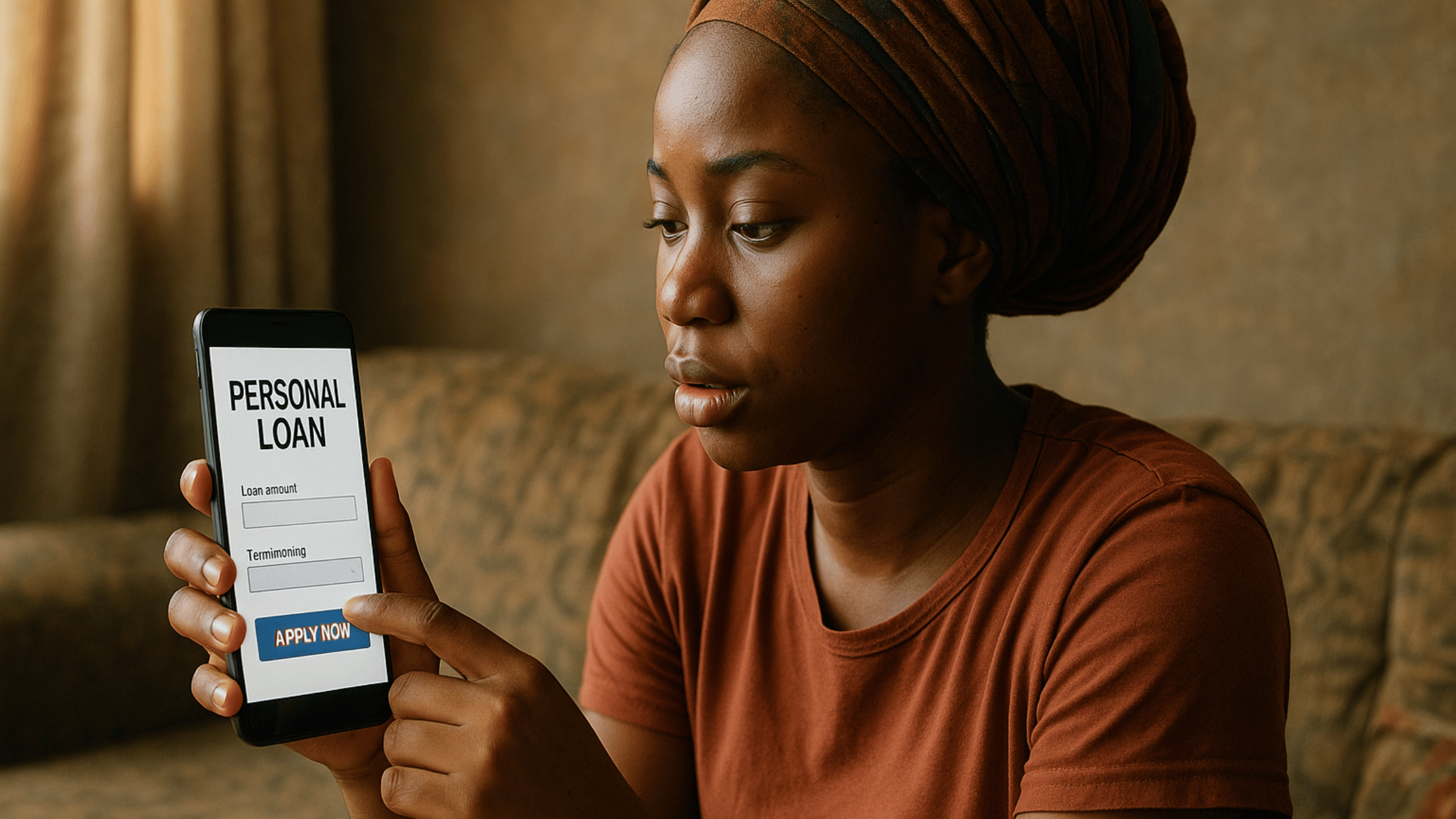
Most of these loans are accessed through mobile apps, reducing the need to visit a bank or complete piles of paperwork. Approval times are fast—sometimes within minutes—and funds are disbursed directly into the applicant’s bank account. Interest rates vary significantly, often starting around 5% and going as high as 30%, depending on the lender, risk profile, and repayment duration.
While these loans can be more expensive than traditional credit, they offer a unique level of accessibility and speed that most banks don’t match. This trade-off is worthwhile for many borrowers who prioritize urgency and ease over low rates.
Top Lenders Offering Personal Loans to Low-Income Nigerians
One of the most reliable names in this space is Carbon, formerly known as Paylater. Carbon offers a user-friendly mobile app that allows individuals to apply for loans, track repayment schedules, and build credit history over time. It requires only a Bank Verification Number (BVN), a smartphone, and basic identity details. Loan amounts increase over time for users with a good repayment record.
Another notable platform is Branch, which evaluates borrowers based on their mobile phone activity and financial habits. The branch provides loan options without paperwork or face-to-face meetings. Users who repay on time are rewarded with better rates and higher borrowing limits, making it a solid choice for low-income earners who want to grow their credit step-by-step.
FairMoney is yet another platform that makes personal finance accessible. Its streamlined mobile interface allows for loan applications within minutes. FairMoney is known for offering flexible repayment schedules and transparent terms. This makes it especially suitable for people with unpredictable cash flow.
Also worth mentioning is PalmCredit, which focuses on microloans for first-time borrowers. Its simplicity and minimal requirements make it popular among informal workers. While initial loan amounts may be small, consistent repayment opens the door to higher credit ceilings.
Lastly, Aella Credit serves both salaried and self-employed individuals. The app bases loan decisions on BVN, identity verification, and past borrowing behavior. Its strength lies in reliability and customer support, both of which are essential for people unfamiliar with digital finance.
What It Takes to Qualify for a Personal Loan When You Earn Less
Earning a modest income doesn’t have to be a barrier if you understand what lenders are looking for. The best personal loans for low-income Nigerians are designed with flexibility, but basic requirements still apply. First, most platforms insist on a verifiable identity—usually through BVN and a national ID. These are used to confirm your financial activity and establish your digital credit profile.
Having a bank account with consistent inflows, even if small, helps demonstrate your ability to manage money. Lenders often assess how frequently you receive funds and how you spend them. Another crucial factor is your phone usage. Fintech platforms rely heavily on data collected through smartphones—such as app usage patterns and call logs—to determine creditworthiness.
Starting with a small loan and repaying it on time is the fastest way to build trust with a lender. Repeat borrowers with a positive history are typically offered higher limits and better interest rates. Being transparent during the application process, avoiding loan stacking, and managing your obligations wisely will all improve your chances of long-term approval and financial growth.
Mistakes to Avoid When Borrowing on a Low-Income
One of the most common errors low-income earners make when borrowing is underestimating the total repayment cost. High interest rates can make small loans quite expensive over time. Always calculate the full repayment amount before accepting any loan offer, and ensure you have a clear plan to repay on time.
Another mistake is borrowing simultaneously from multiple apps. While it may seem like a quick solution during emergencies, this approach increases your repayment burden and raises the risk of default. Missed payments are reported to Nigeria’s credit bureaus and can limit your future borrowing ability.
It’s also important to avoid fake loan apps. Stick to well-reviewed platforms registered with the Central Bank of Nigeria (CBN). Many unofficial lenders operate outside regulatory guidelines, charge abusive fees, and use unethical debt recovery practices.
Why This Loan Market Is Growing in 2025
As smartphone penetration increases and mobile banking becomes more mainstream, digital lending is expanding rapidly. More Nigerians—especially those outside formal employment—are participating in the financial system through mobile apps and fintech wallets. These platforms are built for accessibility, offering low-income individuals their first formal financial products.
The rise of open banking and alternative credit scoring in Nigeria means that more people will be able to get approved based on behavior, not just salary. This includes evaluating airtime usage, electricity payments, and mobile money transfers as part of the decision-making process. In the long run, this trend is likely to reduce the financial exclusion that has held millions back.
Conclusion: The Smart Way to Borrow on a Budget
The best personal loans for low-income Nigerians are no longer a myth—they are real, accessible, and transforming lives. From covering emergencies to supporting entrepreneurial dreams, these loans provide a foundation for economic stability. What matters most is choosing the right lender, understanding the terms, and borrowing responsibly.
If you’re living on a modest income and need quick, reliable financial help, start with a small loan from a trusted platform, build your repayment history, and unlock bigger opportunities. Today’s tools make it possible. Your credit journey can begin now—on your terms.
Need guidance choosing the best loan platform for your income level?
Join our newsletter for insider reviews, comparison tools, and real-time updates on personal finance solutions for Nigerians.

 Ifysweet